
Introduction to Fundamental Analysis in Trading
Ever wondered why some traders always seem one step ahead? It’s not just luck – it’s because they understand fundamental analysis. While charts and patterns tell you what has happened, fundamentals reveal why it’s happening and whether the asset is actually worth your money.
Whether you’re trading in the Indian stock market, crypto, or forex, knowing the fundamentals can give you a strong edge. This guide will break it down in simple terms and show you how to get started.
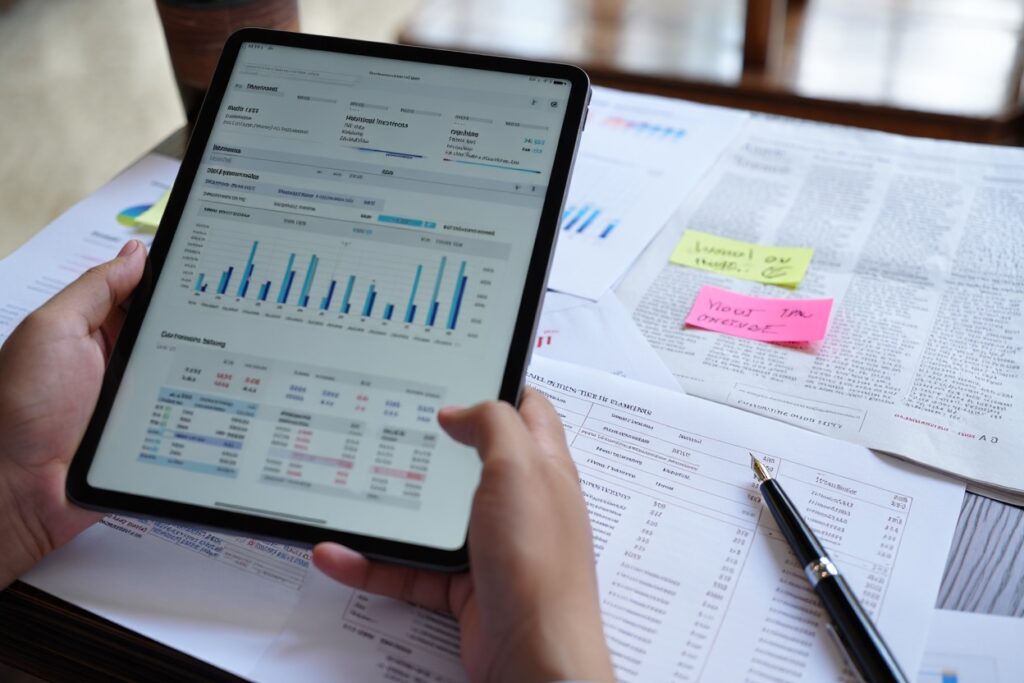
What Is Fundamental Analysis? (Definition & Basics)
In simple words, fundamental analysis (FA) is the study of an asset’s real or intrinsic value. It involves analyzing financial, economic, and even social factors to decide if an asset is undervalued or overvalued.
👉 Think of it like buying a house. You don’t just look at the outside (charts); you also check the location, construction quality, neighborhood, and future potential. That’s fundamental analysis.
Unlike technical analysis, which focuses on price charts and patterns, FA digs deeper into the drivers of value.
🔹 Core Principles of Fundamental Analysis for Traders
- Intrinsic Value – What the asset is really worth vs. what the market says.
- Qualitative Factors – Management, competition, regulation, or utility (in crypto).
- Quantitative Factors – Numbers like revenue, profits, GDP growth, or inflation.
The goal? To find assets that are mispriced – buy them cheap, sell them when the market realizes their true value.
🔹 How Fundamental Analysis Works in Different Markets
📈 Fundamental Analysis in the Indian Stock Market
- Company Financials: Balance sheet, income statement, and cash flow.
- Key Ratios: P/E ratio, Debt-to-Equity, Return on Equity (ROE).
- Industry Trends: Growth potential and competitors.
- Resource: NSE India for company filings and reports.
💰 Fundamental Analysis in Cryptocurrency Trading
- Tokenomics: Supply, demand, burning mechanisms.
- Utility: Does the coin actually solve a problem?
- On-Chain Data: Active users, transaction volume.
- Development Team & Community: Strong support means better chances of survival.
- Resource: CoinMarketCap for project data.
🌍 Fundamental Analysis in Forex Trading
- Economic Indicators: GDP, inflation, unemployment.
- Central Bank Policies: Interest rate decisions drive currencies.
- Geopolitical Events: Elections, wars, trade policies.
- Resource: Investopedia Forex Fundamentals for learning basics.
🔹 Benefits of Using Fundamental Analysis in Trading
✔️ Helps avoid hype-driven decisions.
✔️ Supports long-term investment strategies.
✔️ Builds a deeper understanding of markets.
✔️ Useful for finding undervalued opportunities.
🔹 Limitations of Fundamental Analysis You Should Know
⚠️ Time-consuming – requires research and patience.
⚠️ Market sentiment can overpower fundamentals (especially in crypto).
⚠️ Not ideal for short-term traders relying on quick moves.
🔹 Fundamental Analysis vs Technical Analysis: Which Is Better?
| Aspect | Fundamental Analysis | Technical Analysis |
| Focus | Intrinsic value, economic data | Price charts, patterns |
| Best For | Long-term investing | Short-term trading |
| Data Used | Financial reports, news, macro trends | Candlesticks, indicators |
👉 Many successful traders use both together for stronger decision-making.
🔹 Best Tools and Resources for Fundamental Analysis
- Stocks (India): NSE, BSE, Moneycontrol, Screener.in
- Crypto: CoinMarketCap, Glassnode, Messari
- Forex: Investing.com, ForexFactory
🔹 Step-by-Step Guide: How Beginners Can Start Fundamental Analysis
- Choose your market (stocks, crypto, forex).
- Learn 2–3 key indicators first (e.g., P/E ratio, interest rates, or tokenomics).
- Use free resources (like demo accounts or financial news).
- Practice analyzing real data before investing money.
- Stay consistent – fundamentals take time to play out.

🔹 Conclusion: Why Every Trader Should Learn Fundamental Analysis
Fundamental analysis is like looking under the hood of an investment. While prices can go up and down daily, fundamentals tell you if the asset is truly strong.
Start with the basics, focus on a few key metrics, and build from there. Over time, you’ll not only make better trades but also gain the confidence to ignore short-term noise.
🔹 Frequently Asked Questions (FAQ) on Fundamental Analysis
1. Is fundamental analysis better than technical analysis?
Not always. FA is great for long-term investing, while TA works better for short-term trading. Many traders combine both.
2. Can I use fundamental analysis for crypto?
Yes, but it’s different from stocks. You focus more on tokenomics, on-chain data, and adoption rather than financial reports.
3. Do I need fundamental analysis for forex trading?
Absolutely. Currencies move mainly due to economic indicators and central bank policies.
4. Is fundamental analysis beginner-friendly?
Yes, but it requires patience. Start small, learn a few ratios or indicators, and gradually build your skill.
5. Which is the best free tool for beginners?
- For stocks: Screener.in
- For crypto: CoinMarketCap
- For forex: ForexFactory

